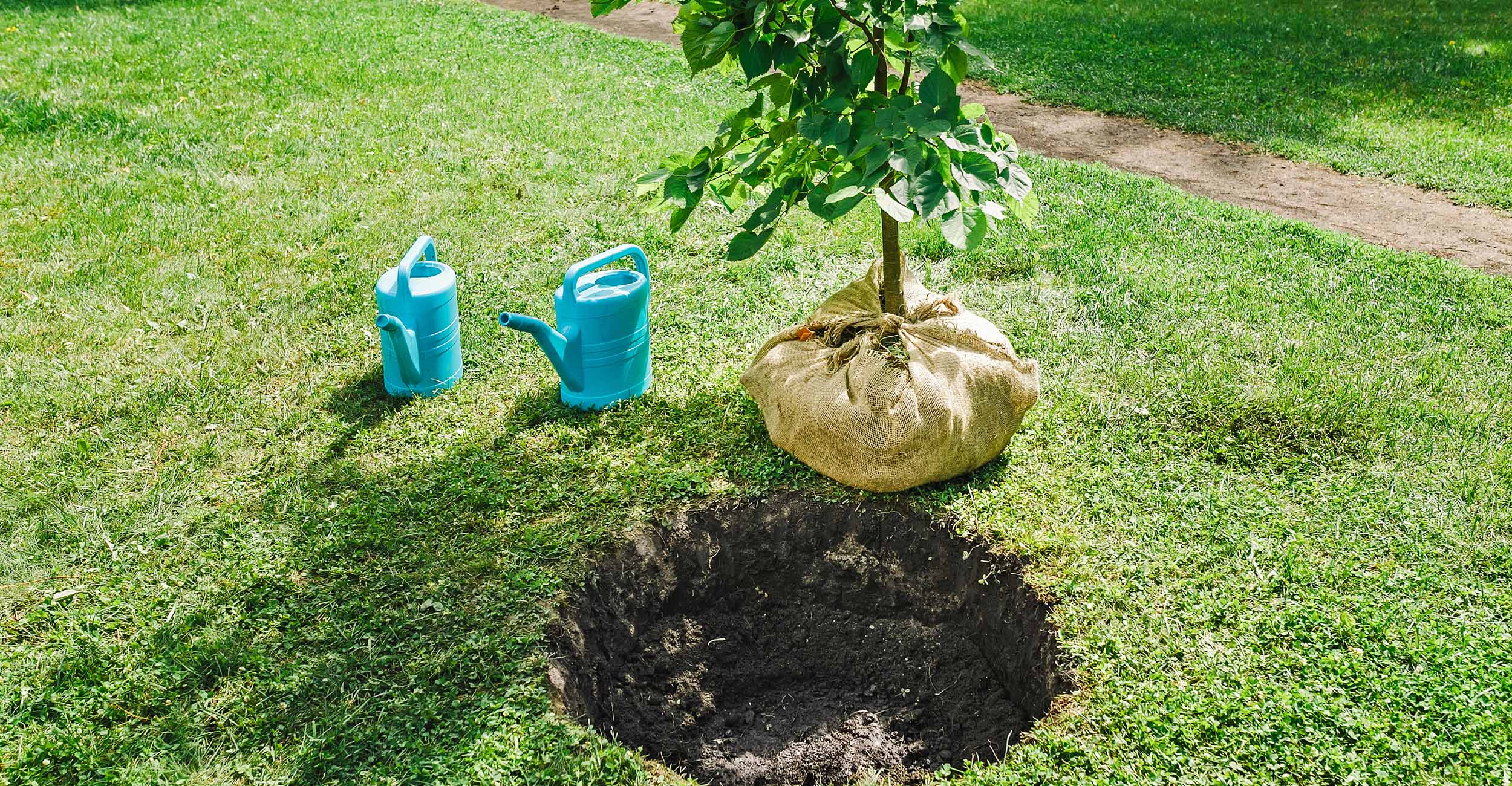
Trees are some of the most valuable features in any landscape. They provide shade, beauty, privacy, structure, and environmental benefits that last for decades. But even the strongest trees reach the end of their life cycle—and when they become diseased, damaged, or unsafe, replacing them is essential for the health and safety of your property.
Tree replacement services help homeowners safely remove failing trees and install new, healthy ones that will thrive for years to come. Whether you're dealing with storm damage, root problems, overgrowth, or simply an aging tree that’s no longer healthy, replacing it at the right time protects your landscape and ensures your yard stays beautiful.
In this blog, we’ll discuss common signs a tree needs to be replaced, how the replacement process works, the best tree options for Michigan, and why Driftwood Landscape is the right team for professional tree removal and planting.
Many homeowners wait too long to replace a failing tree—often until damage occurs or the tree becomes hazardous. Early replacement helps you avoid:
Replacing a tree at the correct time keeps your yard healthy and thriving.
A tree that appears fine on the surface may be struggling internally. Driftwood Landscape evaluates common indicators such as:
Large cracks, missing bark, or hollow areas are major warning signs.
A compromised trunk means the tree is structurally unstable.
Dead or brittle branches—especially in the upper canopy—indicate declining health.
Tree diseases spread quickly and can:
Fungus growing at the base is especially dangerous.
Issues like girdling roots, rot, or poor soil conditions can destabilize a tree.
A leaning tree, especially one that leans suddenly, poses a major safety risk.
Michigan’s winter storms frequently break branches or destabilize root systems.
Some species grow too aggressively, damage foundations, or disrupt drainage.
Trees planted too close to:
may need to be replaced with a more suitable species.
Replacing a tree is not just about removing the old one—it involves choosing and planting a healthier, better-suited species.
Removing failing trees prevents:
Your home and family stay protected.
A healthy new tree dramatically improves your property’s appearance.
New trees:
Driftwood helps homeowners choose the right replacement based on:
Careful species selection ensures:
Michigan’s climate supports a variety of hardy, beautiful trees. Popular replacement choices include:
Brilliant fall color and strong structure.
Year-round privacy and beauty.
Great for wet soil and natural landscapes.
Colorful blooms and ornamental appeal.
Four-season interest with flowers, berries, and fall foliage.
Strong, long-living shade trees.
A stunning accent tree with artistic branching.
Driftwood helps determine which species will thrive best in your exact environment.
Tree replacement requires careful planning and professional execution.
We assess soil, spacing, sunlight, and existing landscape layout.
Includes stump grinding or root removal if needed.
We enrich and prepare the planting area for new growth.
The new tree is planted at the correct depth, orientation, and distance from structures.
Proper mulching improves moisture retention and root health.
We ensure homeowners know how to support healthy root establishment.
Homeowners often underestimate:
Incorrect planting can stunt tree growth or kill the tree entirely.
Driftwood ensures your new tree grows healthy and strong from day one.
You should consider tree replacement if:
Early action prevents bigger problems later.

Driftwood Landscape provides professional tree replacement services that restore the health, safety, and beauty of your outdoor space.